

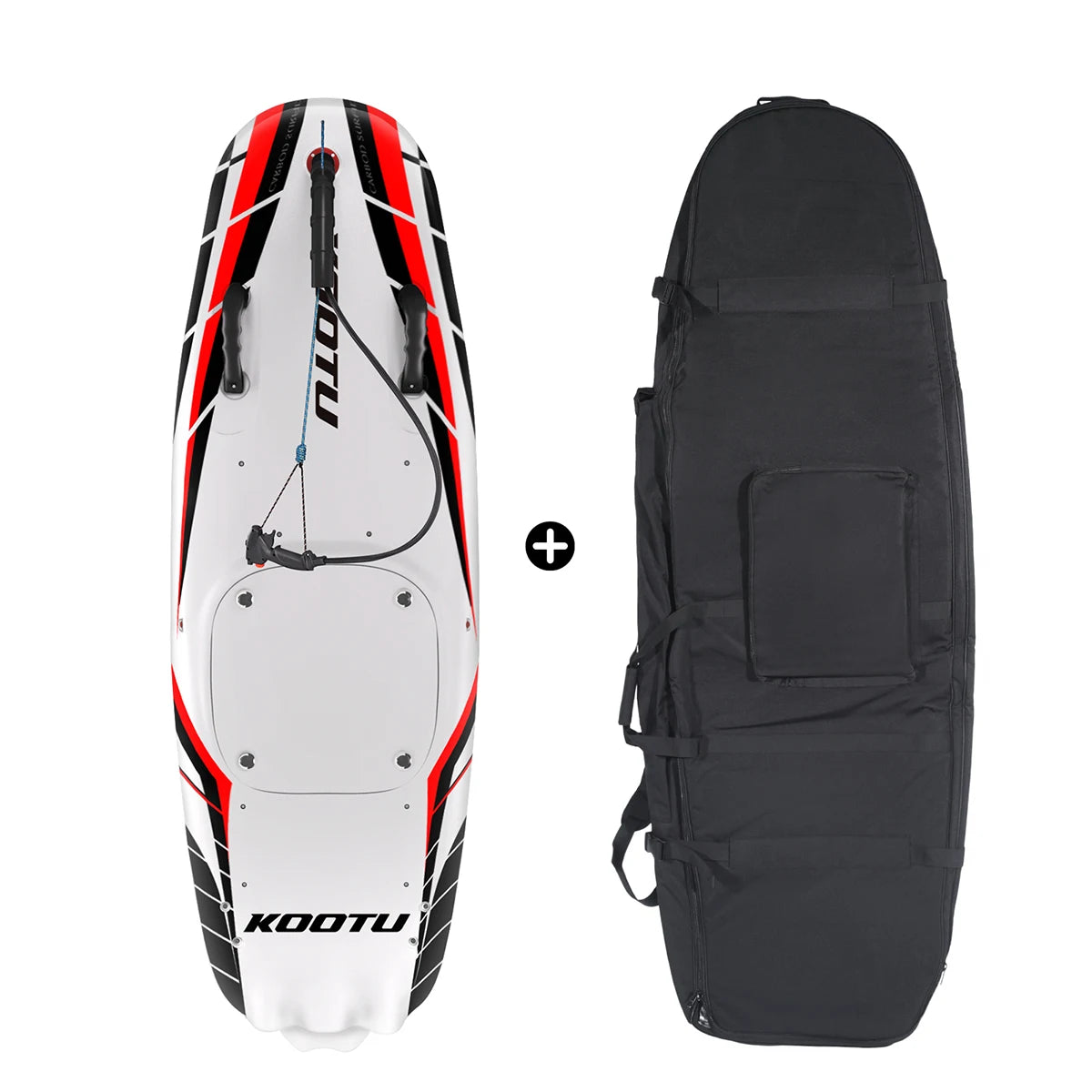

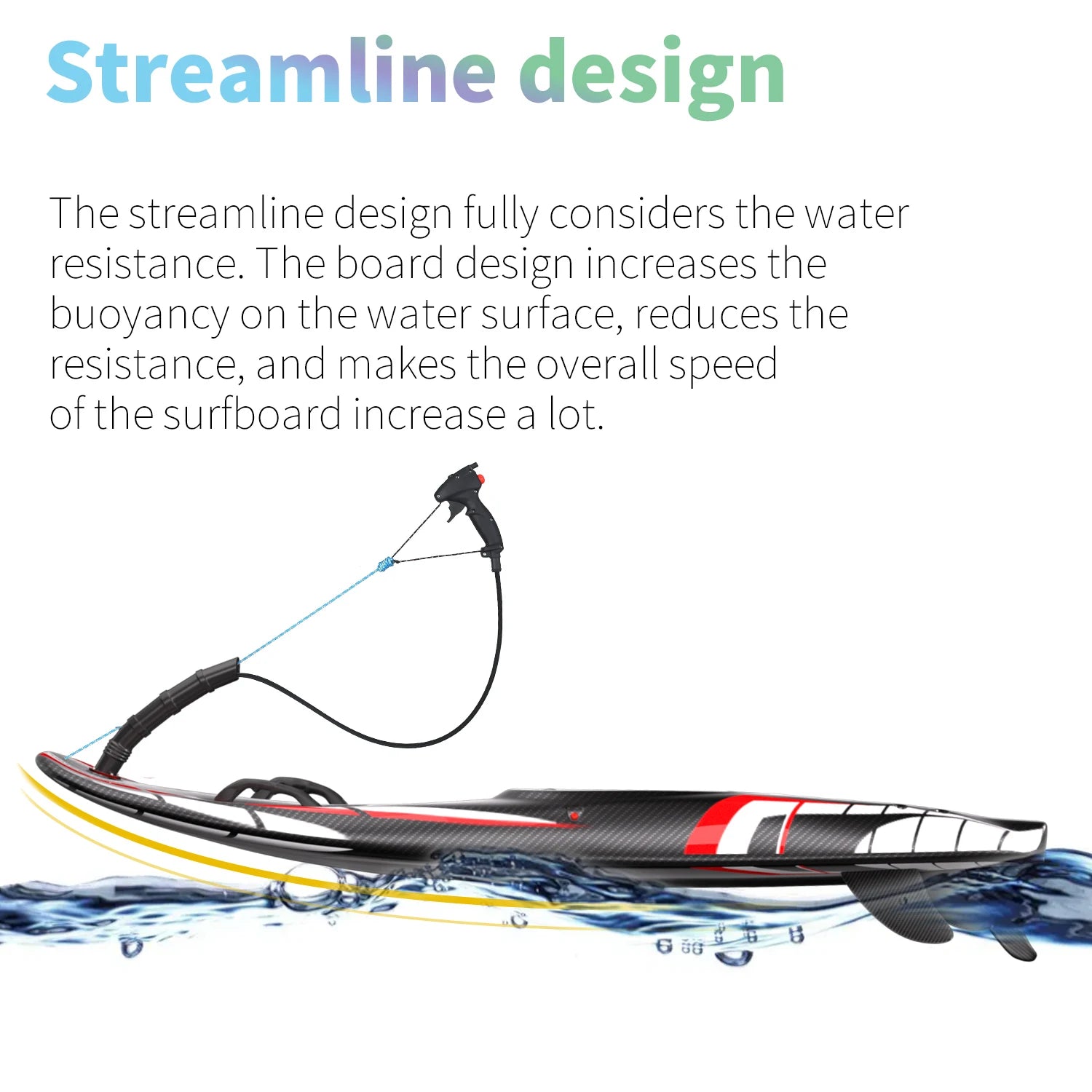
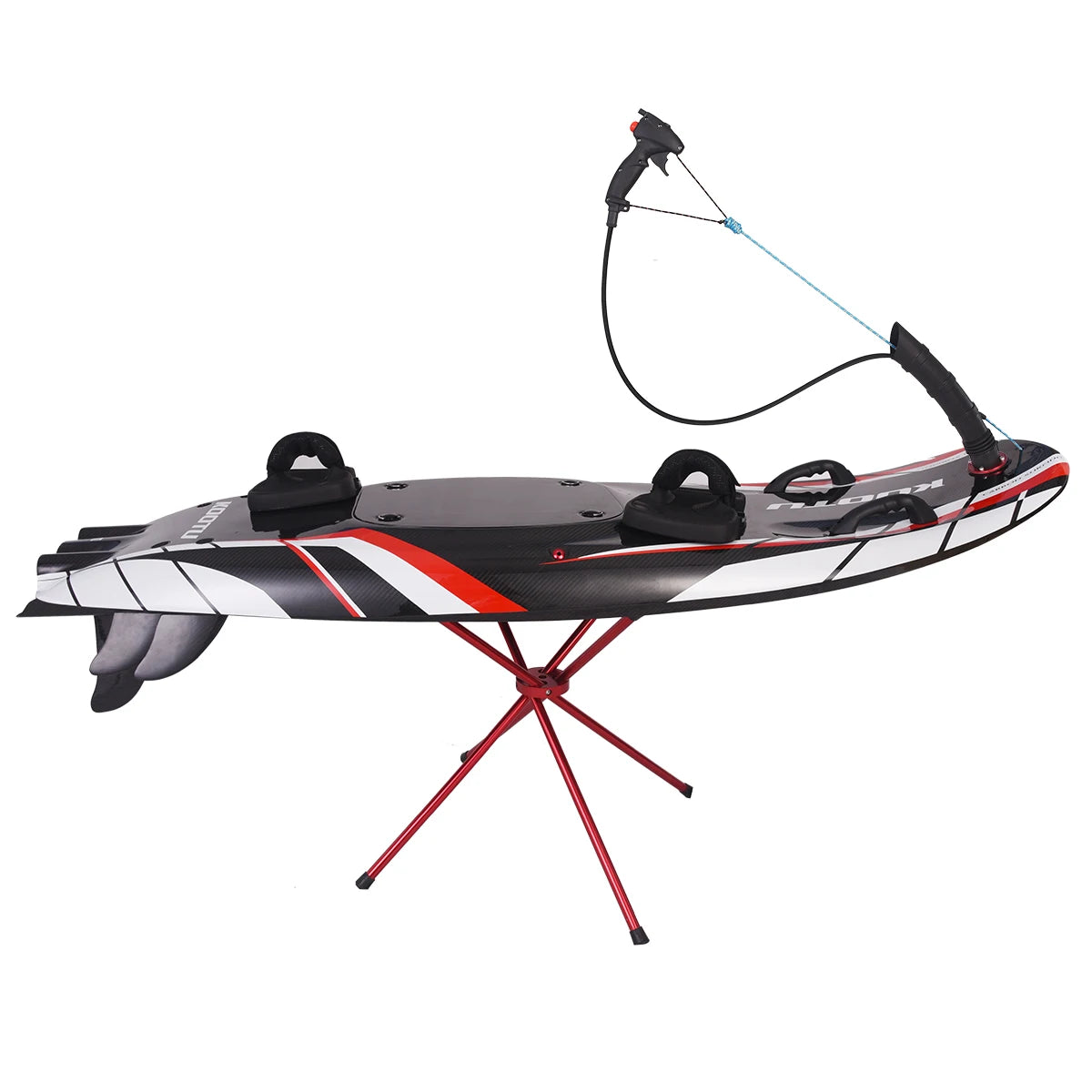
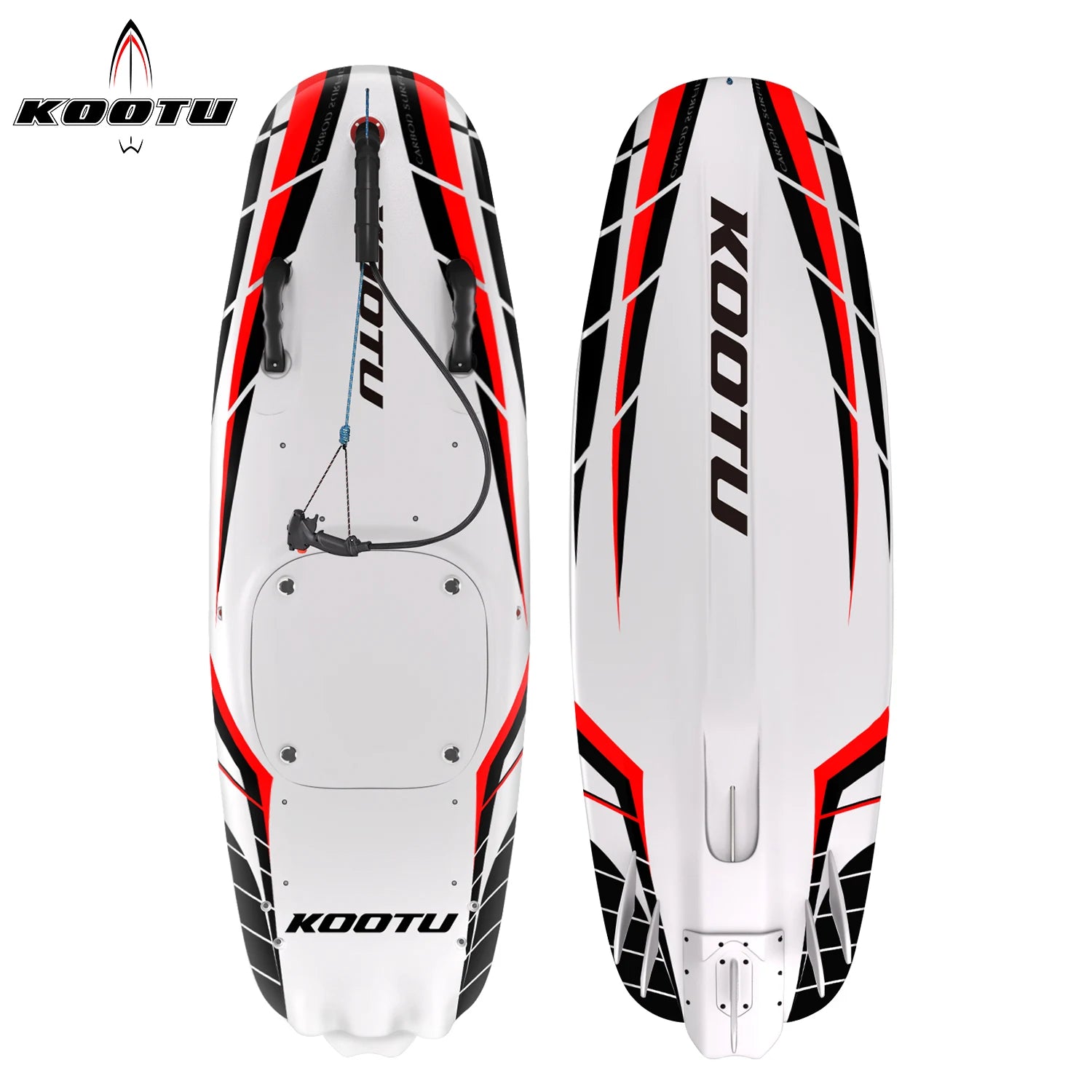
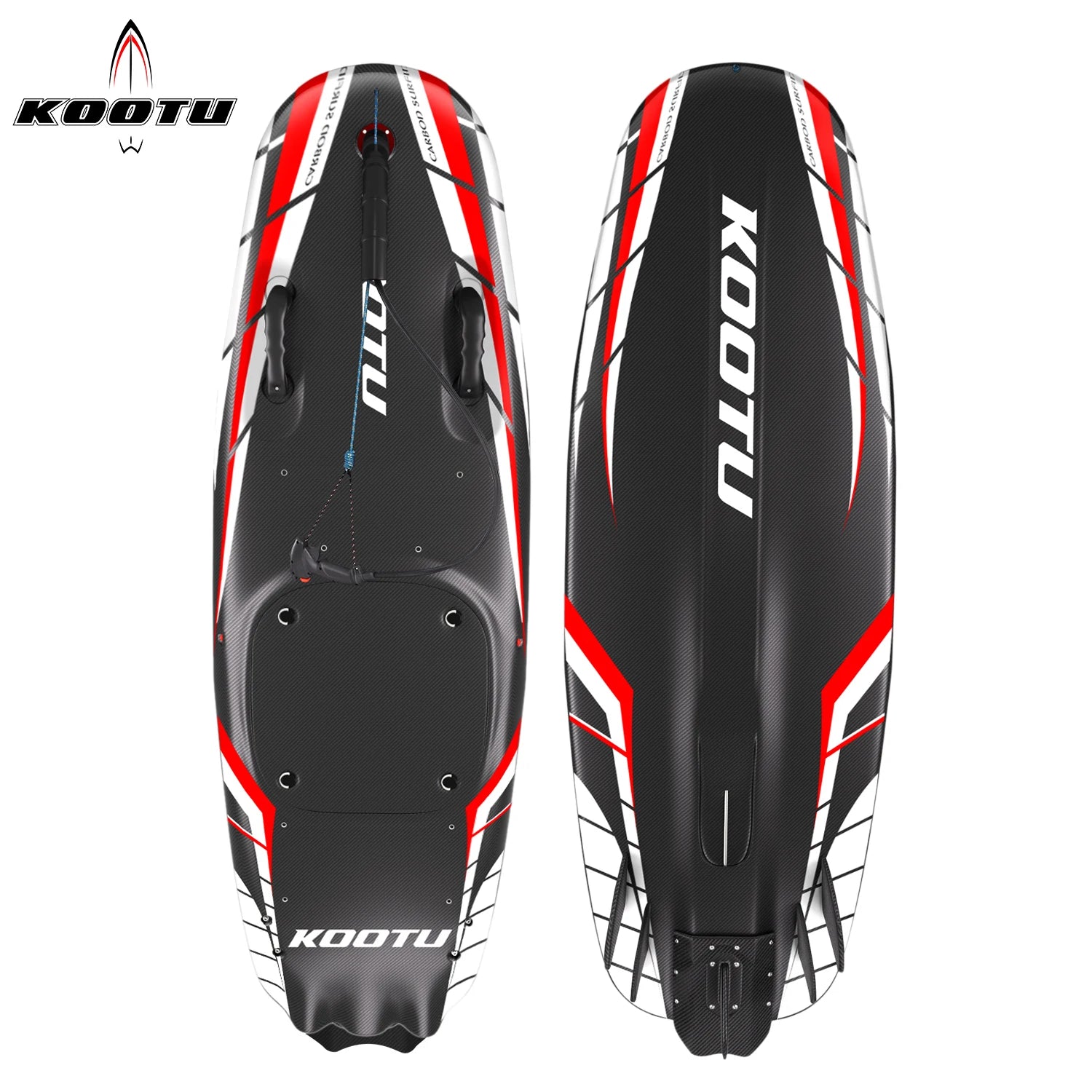
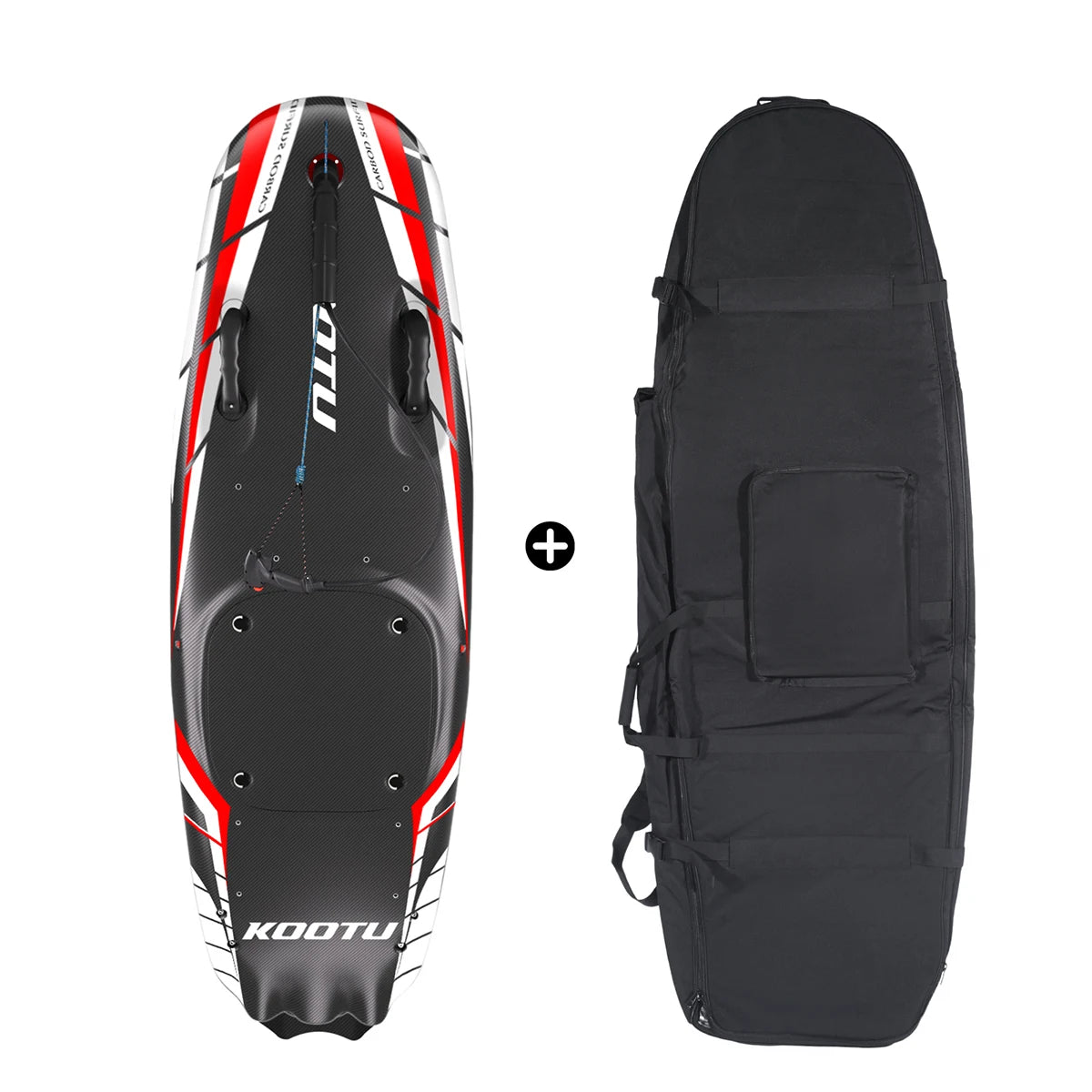
KOOTU surfboards, all carbon fiber surfboards, 109cc gasoline-powered surfboards


KOOTU surfboards, all carbon fiber surfboards, 109cc gasoline-powered surfboards
FEATURES
Certifications: CE, FCC
Highly Concerned Chemical: None
Material: Carbon fiber
Brand name: KOOTU
Origin: CN Our KOOTU carbon fiber surfboards are primarily powered by gasoline engines, which are more powerful, more durable, and faster.
Other surfboards are primarily powered by batteries, which are underpowered, have a short lifespan, and may eventually run out of power when you're playing in the ocean.
Our KOOTU surfboards are your first choice for surfing.
LEARN MORE
In accordance with the new VAT policy in effect in EU countries, items valued at over €150 shipped from non-EU countries (e.g., China) will be at the seller's expense. This means that we (the seller) will be responsible for customs clearance and tax payment. (Except for EU countries, other countries are responsible for paying the tax.)
[Note: Shipping and logistics costs for each country are your responsibility.]
Our Packaging:
Sturdy packaging box + protective cotton foam, complete protection for surfboards
Package contents:
Surfboard x1
Battery x1
Charger x1
Control handle x1
Shoes x 1 pair
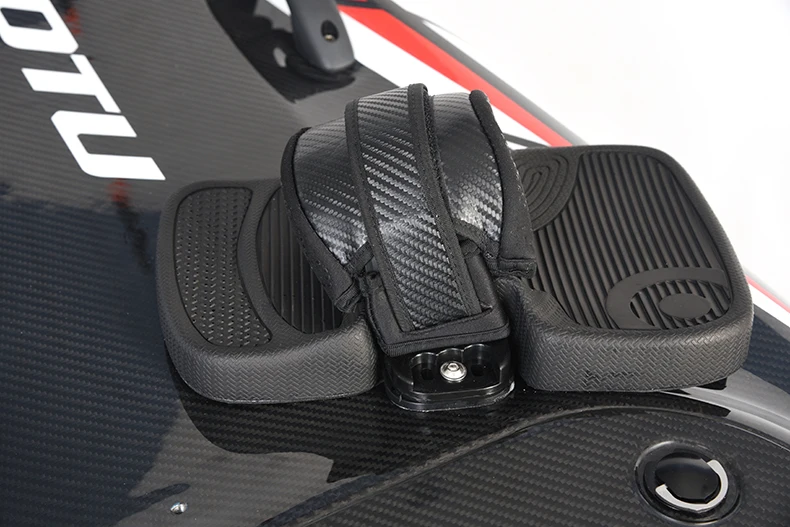
Support x 1 set
Queueing fins * 1
Side fins *4
And other spare parts for the board.
After receiving the card, please contact customer service to send the card manual and other documents.
European countries: Air freight takes approximately 12 to 15 days and can be tracked. Sea freight takes approximately 25 to 40 days and can be tracked.
precautionary items
1. Battery charging. Please fully charge the battery before each use; use a 220V power supply to charge the battery.
There is an indicator light on the charger.
* Red: during charging
* Green: Fully charged or disconnected.
Capacity from 0% to 100%, at least 5 hours charging time.
The voltage of a fully charged battery should be 16 to 15.8V (please ensure the seal is connected correctly; the two arrows should be pointing towards each other).
Warning :
1. The battery must be charged. Do not charge the charger in the engine compartment. Store it separately when not in use. Do not leave it in the engine compartment.
2. Connect the battery correctly to the motor.
Connect the battery to the main power grid, ensuring that the two arrows are facing each other.
3. Fuel proportion
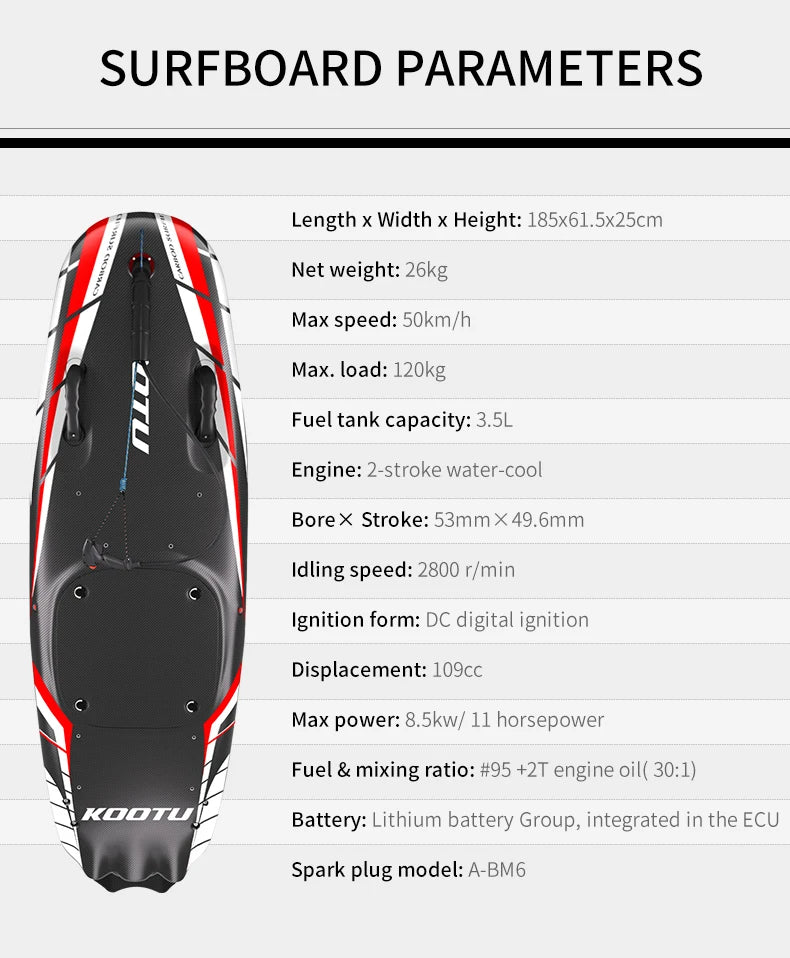
Please use No. 95 gasoline (or higher) and lubricating oil.
Ratio: 30:1.
4. Difficulty starting the engine.
Starting may be difficult on first use. Turn the carburetor throttle (open-close-open) and repeat this process while starting the engine. Increase the air intake pressure for a successful start.
5. On land or in water, do not press the start button more than 5 times in a row, as this could cause the starter and battery to overheat and damage the engine.
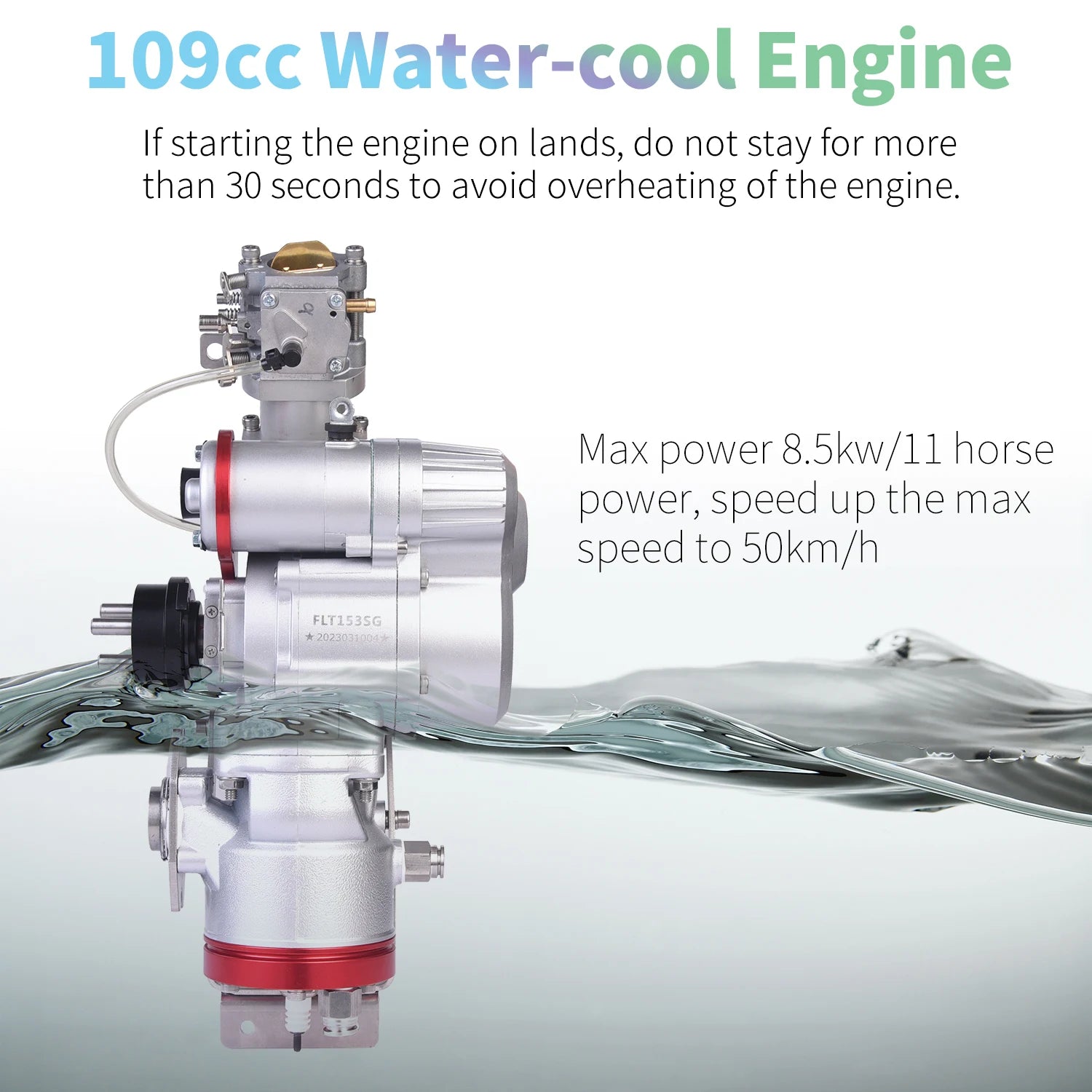
6. When starting on land, do not hold it for more than 30 seconds to avoid overheating.
The engine is water-cooled and requires a water supply for cooling. If starting on land, stop it immediately. Do not leave it running without water for an extended period. For demonstrations or on-land operation tests, please connect the engine to a water supply.
Furthermore, in the ground-based starting position, the engine speed remains high due to the absence of load and water resistance.
If the engine runs at full speed without a load, this can cause an over-revving phenomenon: the engine continues to run uncontrollably, even if the safety key is removed. (If this occurs, immediately block the carburetor intake to prevent the engine from stopping.)
If you want to test the full power of the surfboard, do it on the water.
7. When using for the first time, do not go too far from the shore.
If you're afraid to stand up, lie down on the board with the rear end and exhaust almost completely submerged, and you've been riding slowly, which results in poor exhaust flow and the engine stalling. In this case, the user risks repeatedly restarting the engine, which can lead to overheating of the battery and engine, or even damage or burnout.
If you're using a surfboard for the first time, many problems can arise. Therefore, we recommend that you don't go too far from the shore.
8. Do not restart the engine repeatedly!
To avoid damaging the battery and the motor.
If you encounter renovation difficulties after a few attempts, return to shore as soon as possible and resolve the problem.
9. Check the muffler and exhaust valve regularly.
Regularly check the muffler and exhaust: a blocked exhaust can lead to starting difficulties, or even a breakdown.
10. Presentation of the drain port.
1. Engine coolant drain hole (on the right side of the board)
2. Integrated water pump drain hole (on the left side of the board)
The water pump is located at the bottom of the engine compartment. If the board is returned to shore, water can seep into the engine compartment. The pump draws in the water and drains it away.
If you fall into the water or return to shore, please return to shore first. If you wish to lean on the board, rest for a moment and prepare for your next outing.
1. First insert the safety key and let the electrical system and water pump run (engine off).
2. Do not put your full weight on the drain hole of the built-in water pump. Water could enter the board. If the motor falls into the water and still does not work after several starting attempts, please return to shore as soon as possible after resolving the issue, then continue playing.
11. Washing and Cleaning
After use, please wash and clean the surfboard.
It is essential to clean it if you use it in the sea or in salt water! (Use clean fresh water.)
Use a heat gun or hair dryer to completely dry the engine compartment, and spray WD-40 on engine parts such as the carburetor and propeller to prevent rust.
Rapid troubleshooting in case of engine failure
1. First check the propeller seal.
Turn the propeller seal counterclockwise by hand. If it turns freely without binding and you feel resistance from the crankshaft, this component is normal.
2. Test the battery voltage.
Check the battery voltage. It must be at least 14V.
3. Check the control handle.
Locate the control handle connector and plug it into the new handle. Insert the magnetic key into the control handle and press the start button to start the engine.
4. Check the engine.
Using a heat gun (or a hairdryer), heat the bolts on the side cover, then remove the side cover and the engine.
Remove the lower cable and connect it directly to the starter. Begin testing the engine.
Insert the magnetic key and press the start button. The engine runs normally. The engine does not run. Engine failure: replacement required.






Choose options